
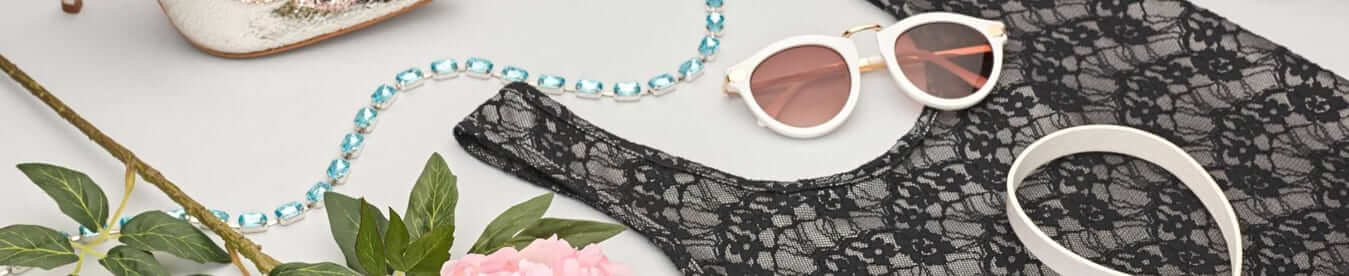
Getting the best and latest urban fashion trends and European fashion trends might sound like an easy thing to do, but with so many fashion blogs and numerous events like the Paris fashion shows, you might be confused about what should you shop next. Don’t worry, the Rebecca Moore Howard blog is here to support you and give you guidance throughout the year, in all seasons regarding the most famous urban fashion trends. Stay tuned!
Latest Fashion News & Trends
It seems that the fashion is ever-changing, and that is completely okay, when you have a guidance like Rebecca Moore Howard guiding you through the process of changing and improving your urban fashion trends following. Every blog, including Rebecca Moore Howard’s noticed that the old, vintage fashion is finding a way back into the modern European fashion trends and on the fashion shows.
In fact, you can easily notice how pastel colors, which were famous back in the sixties are coming back to life, and not just in clothes fashion, but in interior design as well!
Asides from pastel colors, denim is riding a huge popularity wave as well, as it is one of the biggest European fashion trends too.
French & European Fashion
We all know that the French fashion is basically a basis for the international fashion, and it is the leading one in the overall European fashion too. In fact, most of the times, what is a part of the French one, is also a general part of the European fashion trends. So, it doesn’t come as a surprise that the ladies in France and Italy, respectfully are paving the way for newer trends and styles.
One of the greatest European fashion trends are the single-color scarves that are still very famous even if they gained their initial popularity a few decades ago. In fact, what makes people love scarves so much is that they can have multiple purposes and can be set in different styles. The most fashionable ones are the oversized scarves which we’ve seen ladies use as blankets for picnics!
Best Fashion Shows
The truth of the matter is, the fashions shows make the world go around, especially since some of the most popular celebrities take part in them. One of the most popular fashion shows in the world is Victoria’s Secret fashion show that hosts a lot of celebrities, and many of them preform at the main event too.
Another option of a best fashion show that you must visit at least once in your life are the amazing, spectacular Paris fashion shows which also host a lot of celebrities. They also promote some excellent fashion values and some of the greatest designers and models would give anything to be a part of it.
Fashion Shows Held in Casinos
Amongst the most urban fashion trends is organizing fashion shows which are held in casinos. However, this might not be very surprising, especially since casinos for most of us mean excitement, luxury and adrenaline, and that is also the synonym for fashion, right?
So, it took someone to figure out that the ultimate fashion show should have a great location like some of the best casinos in the world. In fact, this is exactly what happens – the best designers in the world are finding ways to bring their runway shows in the luxury ambiance of the best casinos in the world. The best thing about casino organized fashion shows is the overall arrangement including the cool agenda with after fashion show party, held at the casino.
During these spectacular cocktail parties, the celebrities enjoy the company of the most renowned designers and models, and they get to play some of the casino games with them. Specifically, most of the time they play casino games and donate the funds into charity, adding a different value to the whole urban fashion trends of organizing runway shows at the best casinos. Most importantly, it is also noticeable that at these events, we have the participation of some of the greatest celebrities in the world, from all fields.
Fashion Week Milan 2019
As we said before, Italian ladies are leading the world for being creators of the urban fashion trends. In fact, the Italian city of Milan has international recognition for being amongst the most important fashion capital. Of course, there are also London, Paris and New York. Regardless of this, Milan has a long and proven history in work with fashion and different designs, which is why it traditionally organizes a fashion week. The Fashion Week in Milan 2019 will start on September the 17th, and will end on 23th of September. It is happening right after the New York Fashion Week and the London Fashion Week. So, make sure to save the date and book a flight, as we are sure you’ll enjoy the company of the greatest celebrities in the world of fashion!